


Pu Erh Tea: A Guide to Its Origins, Styles, and Brewing
Explore pu erh tea with our guide to Yunnan origins, raw sheng and ripe shou styles, cake formats, and essential brewing tips for crafting…
Country, language & currency
The Tea Journal · Brewing Guides · Pu-erh Tea
By the Tealyra Tea Team · · 3 min read
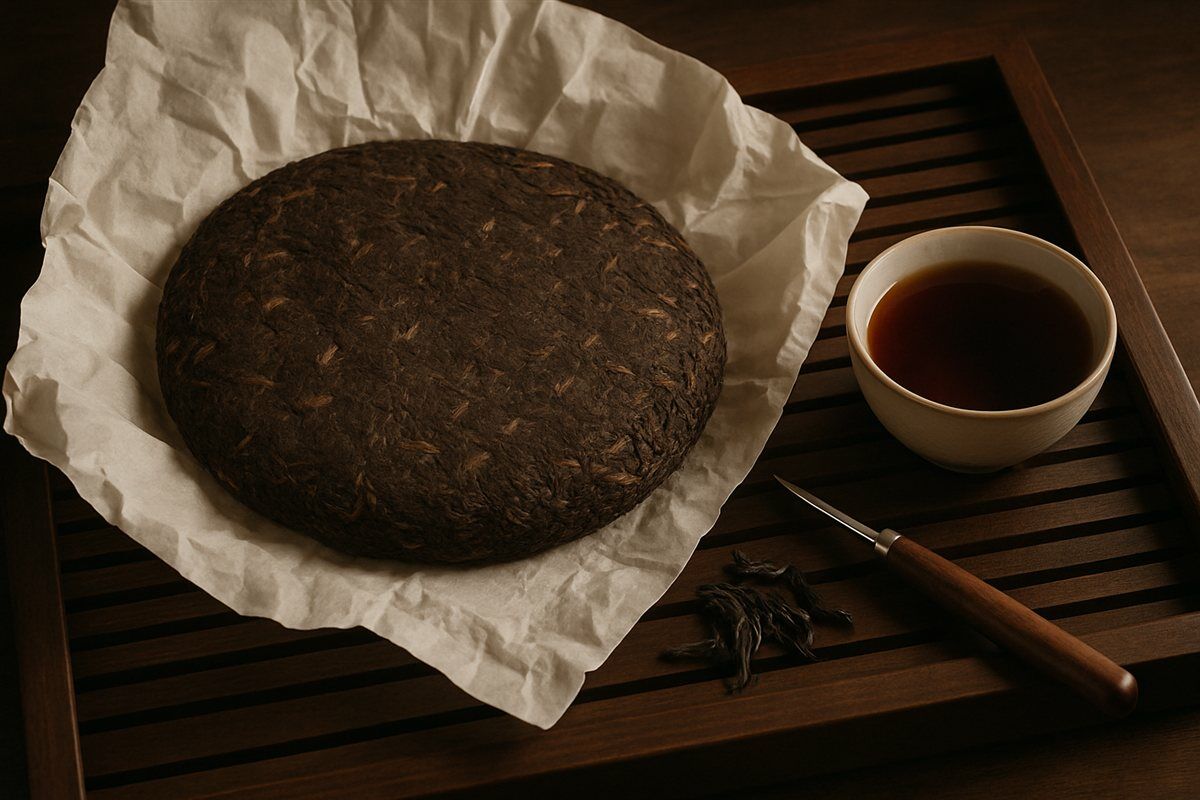
In short: rinse 5–7 g of pu-erh with boiling water for a few seconds, then brew it in short steeps of 10–30 seconds, adding a little time with each round. One serving gives 5–8 infusions. Drink it fresh and warm, after a meal rather than on an empty stomach, and keep to a few small cups a day.
Pu-erh, both ripe (shou) and raw (sheng), can feel a little exotic the first time. It is often pressed into cakes or bricks, and it is brewed differently from most teas. Here are the simple rules for brewing and drinking pu-erh tea so every cup tastes smooth and rich.

| Ripe (shou) pu-erh | Raw (sheng) pu-erh | |
|---|---|---|
| Taste | Earthy, smooth, sweet, woody | Bright, floral, fruity; deepens with age |
| Water | Boiling, 100°C (212°F) | 90–95°C (194–203°F) |
| Leaf per 100 ml | 5–7 g | 5–7 g |
| Rinse | 1–2 quick rinses, 5 seconds | 1 quick rinse, 5 seconds |
| First steeps | 10–15 seconds | 10–15 seconds |
| Infusions | 6–10 | 5–8 |
You can also brew pu-erh Western-style: 1 teaspoon (2–3 g) per 8 oz cup in boiling water for 3–4 minutes, then steep again.
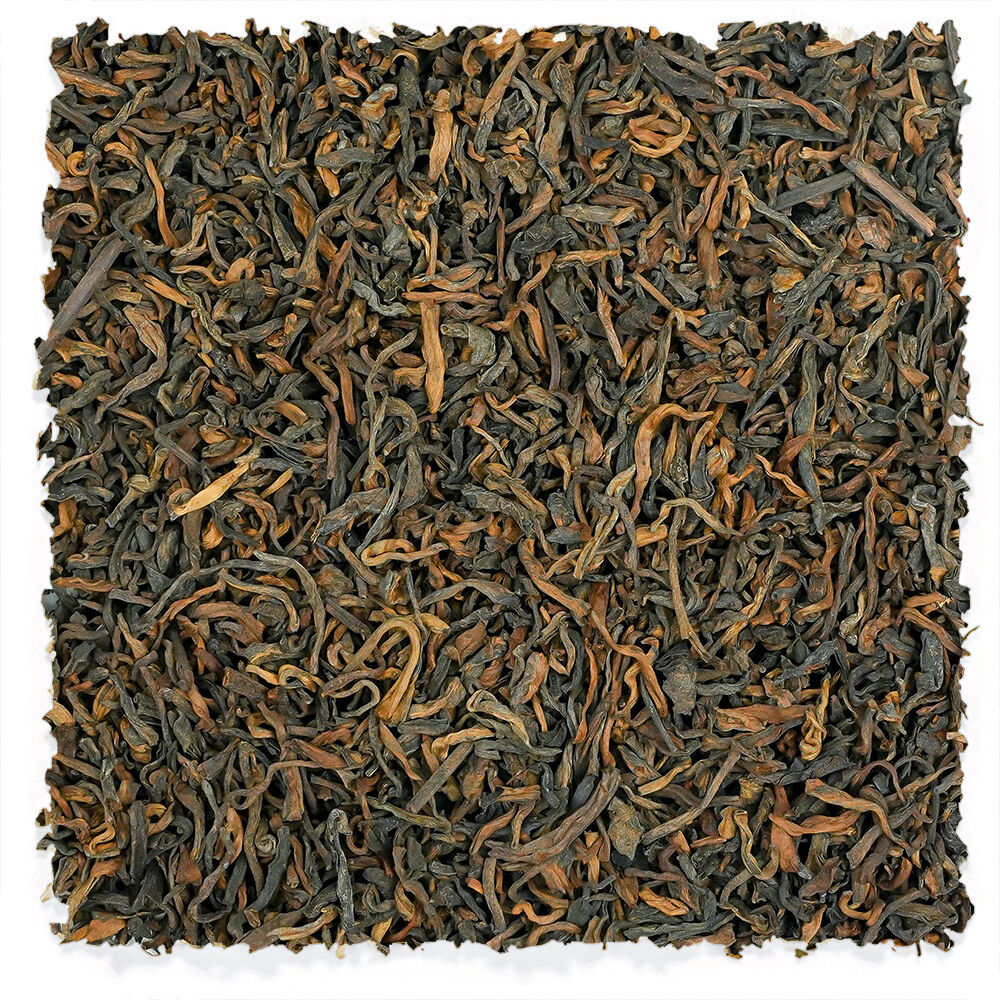
If you are new to pu-erh, start with a ripe tea. It is smooth, dark and earthy, and very forgiving to brew. Imperial Golden Tips Ripe Pu'erh is a sweet, mellow everyday choice, and 1998 Year Lao Cha Tou Ripe Pu'erh is rich and aged, made of naturally formed tea nuggets.
Raw pu-erh is livelier and more complex, and it changes as it ages. Try 2020 Jingmai Mountain Raw Pu'erh for a bright, floral cup.
Learn more in our pu-erh tea guides.
Usually 5–8 times with short gongfu steeps, and often more with good ripe pu-erh. Add a few seconds to each new infusion.
It is recommended, especially for pressed cakes. A quick 5-second rinse opens the leaves and washes away dust.
Boiling water (100°C/212°F) for ripe pu-erh, and slightly cooler water (90–95°C/194–203°F) for young raw pu-erh.
Pu-erh contains caffeine, so treat it like other caffeinated teas: a few small cups a day suit most people. If you are pregnant, breastfeeding or sensitive to caffeine, ask your doctor first.
You can, especially to strong ripe pu-erh, but most people enjoy it plain to taste its natural sweetness.
This article is for general information and isn't medical advice.
Explore pu erh tea with our guide to Yunnan origins, raw sheng and ripe shou styles, cake formats, and essential brewing tips for crafting…

Compare raw (sheng) and ripe (shou) puerh with tasting notes, 5–10 year aging guidance, exact brewing temps, and a buyer's checklist for…

Learn pu erh tea how to brew with confidence. Covers raw vs ripe, water temperature, steep length, gongfu and western methods, and easy…